Automation isn’t replacing mining jobs – it’s redefining the workforce
2026-06-11T00:00:00Z
Mining
Mining
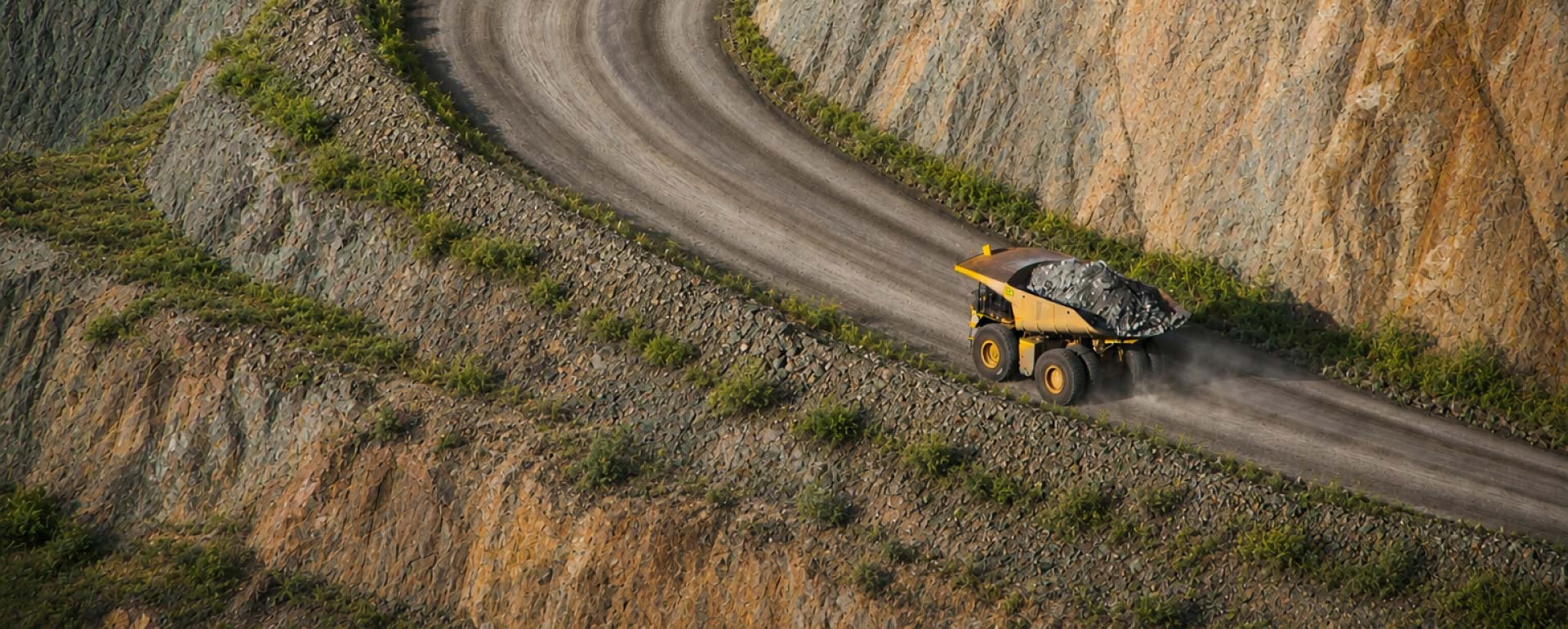
If you walk onto an iron ore mine site today, you’ll see rows of autonomous haul trucks moving with mechanical precision. There are no drivers, no radios, no shift handovers. Across Australia and around the world, thousands of autonomous and remote-operated vehicles are now the standard for mining operations. So, what has happened to the workforce that once operated these essential machines?
This article sets out why automation is not eliminating mining jobs, but reconfiguring them, and what that means for workforce strategy in the era of Mining 4.0. It explains how roles like automation engineer mining, data analyst and remote equipment controller are emerging, why traditional talent pipelines are under pressure and how mining leaders can reposition staffing strategies to keep pace.
Benjamin Rowe is a Client Development Manager at Brunel, specialising in talent solutions for Australia's mining and resources sector.
Originally from the UK and now based in Perth, Ben brings an unconventional depth to his work having spent over a decade as an Executive Chef at Michelin-starred Gordon Ramsay Restaurants, before transitioning into recruitment and client development.
Ben is passionate about the changes reshaping the resources sector from solar energy integration and autonomous haulage through to smarter, more sustainable site operations and works closely with mining companies navigating these shifts to source the specialist talent needed to drive them forward.
How can existing operators transition into remote or automation-focused roles?
Existing operators can move into remote controller or automation-support roles through structured pathways that build skills in systems interfaces, basic coding or scripting, and data interpretation while leveraging their deep site knowledge. When employers invest in targeted reskilling programs, research shows that workers successfully transition into higher-value roles without losing engagement or safety performance.
How are autonomous mining trucks changing the types of jobs on mine sites?
Autonomous mining trucks are reducing the number of traditional vehicle operator/driver roles while increasing demand for controllers, dispatchers, maintenance specialists and data analysts who oversee and optimise haulage systems. This creates a shift from manual operating tasks to higher-skilled oversight roles, particularly in remote operation centres.
What does Mining 4.0 mean for workforce skills?
Mining 4.0 requires staff who understand both the physical mine and its digital equivalent, which means combining operational experience with skills in data interpretation, systems integration and human machine interfaces. Industry bodies and future-of-work research consistently point to rising demand for hybrid skills that cut across engineering, IT and analytics.
Why is the automation engineer mining role becoming so important?
Automation engineer mining roles sit at the junction of equipment, software and operations. These professionals configure autonomous systems, manage interfaces with OEM platforms and support safe, reliable performance of fleets and fixed plant. As more mines adopt autonomous trucks, drills and LHDs, demand for these specialist engineers has grown significantly in markets like Australia.
The mining industry is undergoing its most significant transformation since the introduction of large-scale mechanisation. Often referred to as Mining 4.0, this new era is defined by the convergence of automation, artificial intelligence, robotics, data analytics, remote operations and digital connectivity. These technologies enable mining companies to improve productivity, enhance safety, reduce costs and make more informed operational decisions in real time.
More than 3,800 autonomous haul trucks operate across surface mines worldwide, with major companies such as Rio Tinto, BHP and Fortescue leading the way along with a growing number of mid-tier operators rapidly following suit. As technology becomes increasingly embedded in mining operations, the people who once performed these tasks aren’t disappearing, they are adapting. Traditional roles are evolving, new skillsets are emerging, and work that was once carried out from the cab is increasingly shifting to remote operations centres, control rooms and technology-enabled environments.
So, what can companies do to support the next generation of mining operations?
Across surface and underground mines, automation, remote operations and digital systems are changing how work is performed – creating increasingly connected operating environments. On the ground, this transformation is most visible through key developments such as:
Autonomous mining trucks operating as part of integrated Autonomous Haulage Systems.
Tele-remote drill rigs controlled from hubs hundreds of kilometres away.
Autonomous load haul dump (LHD) equipment working in areas where human exposure was previously unavoidable.
Remote operations centres where small, multidisciplinary teams manage production, maintenance and logistics in real time.
Mining companies are pursuing four core outcomes from this shift: round-the-clock productivity, safer workplaces, lower cost per tonne, and better use of real-time operational data. These outcomes rely on people who can configure systems, interpret live dashboards, make decisions under pressure and coordinate responses across sites and OEM partners.
The technology is largely ready, but the hold-up lies in the availability of the people and skills who understand both the physical flow of ore and the digital flow of information, and those who can work across disciplines that previously operated in silos. Every autonomous haulage system, remote operations centre and tele-remote drill ultimately relies on a workforce capable of operating, maintaining, optimising and continuously improving it. As mining becomes more technologically advanced, the role of human expertise is becoming more critical, not less.

A 2026 academic study found that automation in the mining industry did not lead to a reduction in the overall number of employees. Instead, it created opportunities to redeploy workers from in-pit and underground environments into remote operation centres, where they transitioned into controller and analyst roles. The Australian Bureau of Statistics’ census data supports this, showing minimal net impact on workforce numbers in mining communities since the widespread introduction of automated mine sites and transport networks. The bottom line is that the jobs aren't disappearing, they are evolving.
The World Economic Forum estimates that 39% of workers' core skills will need to change by 2030 in response to accelerating digital and AI adoption in Australia. But with enrolment in mining engineering programs declining by more than 60% since 2014, this means the pipeline of people equipped for this transition is shrinking at the same time demand for these skills is increasing.
The new and highly sought after roles emerging across automated mining operations include:
Many of the roles emerging in autonomous and digitally-enabled mining operations simply did not exist at scale a decade ago – a clear indication of how rapidly mining technology is evolving. As mining companies race to deploy these innovations, many are underestimating the time and investment needed to build the capabilities required to support them, further widening the gap between technological advancement and workforce readiness.
A recent study in Zambia found that structured training and development frameworks are essential for the long-term success of workforce upskilling in the mining sector. When supported by targeted learning pathways, mining workers can successfully transition into more technical and higher-value roles centred on data analysis, systems optimisation and human-machine collaboration. As Mining 4.0 continues to reshape operations, organisations that invest in developing these capabilities will be better positioned to unlock the full value of their technology investments.
As operations become increasingly automated, connected and data-driven, demand is growing for a new generation of hybrid talent – skilled professionals who can operate effectively across both the physical and digital dimensions of a mining operation.
These individuals are neither traditional operators nor purely technical specialists. Instead, they combine operational knowledge with digital capability, to understand not only how ore moves through a mining system, but how data, automation and technology influence its performance. They can interpret what autonomous equipment is doing, understand the data driving its decisions, and identify opportunities to optimise performance safely and efficiently.
This hybrid skillset requires a blend of:
In most cases, the strongest foundation for these hybrid roles already exists within current mining teams. Experienced operators, technicians and engineers possess site knowledge, situational awareness and an understanding of how operations behave under pressure – capabilities that are difficult to teach but highly transferable to digital environments.
What is changing, is the layer on top of that experience. With targeted upskilling in areas such as systems interfaces, data interpretation and remote operations tools, existing employees can transition into these hybrid roles effectively.

In many mining organisations, workforce planning still occurs downstream of technology decisions. It is reactive, fragmented and disconnected from executive-led transformation initiatives. This disconnect is where significant value is lost, resulting in slower adoption and higher reliance on sought-after external hires.
To fully realise the benefits of Mining 4.0, workforce strategies must be elevated to the same level of importance as safety, production and cost. Rather than responding to capability gaps after they emerge, organisations need a deliberate, forward-looking approach that aligns talent planning with technology adoption.
Hire from interchangeable industries for people with transferable skills (manufacturing, oil & gas, rail, aviation, defence, energy), where workers already operate in high automation, safety critical, data driven environments and can be upskilled to mining systems quickly.
The organisations gaining a competitive advantage are not just relying on ready-made talent. They are proactively developing capability internally through reskilling and workforce transformation initiatives, while supplementing key gaps with external professionals. This dual approach allows them to close critical skills gaps faster while retaining valuable operational knowledge within their existing workforce.
For more than 25 years, Brunel has supplied the people and skills that power Australia’s resources sector, supporting mining and energy operations across the full project and asset lifecycle.
As Mining 4.0 reshapes the industry, we can help organisations bridge the gap between technology and talent – supplying them with a workforce which is capable of operating, optimising and evolving the tech needed to stay ahead of their competition.
We support mining operations to:
Brunel can help mining clients identify which roles are most exposed to automation and where new capability is needed – from pit to plant, to remote operations centres. This includes roles in areas such as:
Brunel has teams specialising in the recruitment of automation and other highly technical domains not only within mining, but across adjacent industries like oil and gas, power, rail, engineering and advanced manufacturing. This grants us exceptional insight into comparable talent outside of mining. This enables us to:
So, is your workforce keeping pace? Whatever complexities you face, Brunel is here to simplify them.

The industry has upgraded its machines. Have you upgraded your hiring?
Mining 4.0 demands a new breed of talent and it won't wait for recruiters still living in the drill-and-blast era.
Stop hiring for yesterday's pit. Start building a workforce for tomorrow's mine.
Location: Perth
hrs a week: 84 hrs a week
Closing: 12 July 2026
Location: Gladstone Yarwun
hrs a week: 40 hrs a week
Closing: 11 July 2026
Location: West Perth
hrs a week: 84 hrs a week
Closing: 11 July 2026
Location: Melbourne
hrs a week: 40 hrs a week
Closing: 11 July 2026